
About Us
Features
Pricing
Contact Us
Blogs
Login
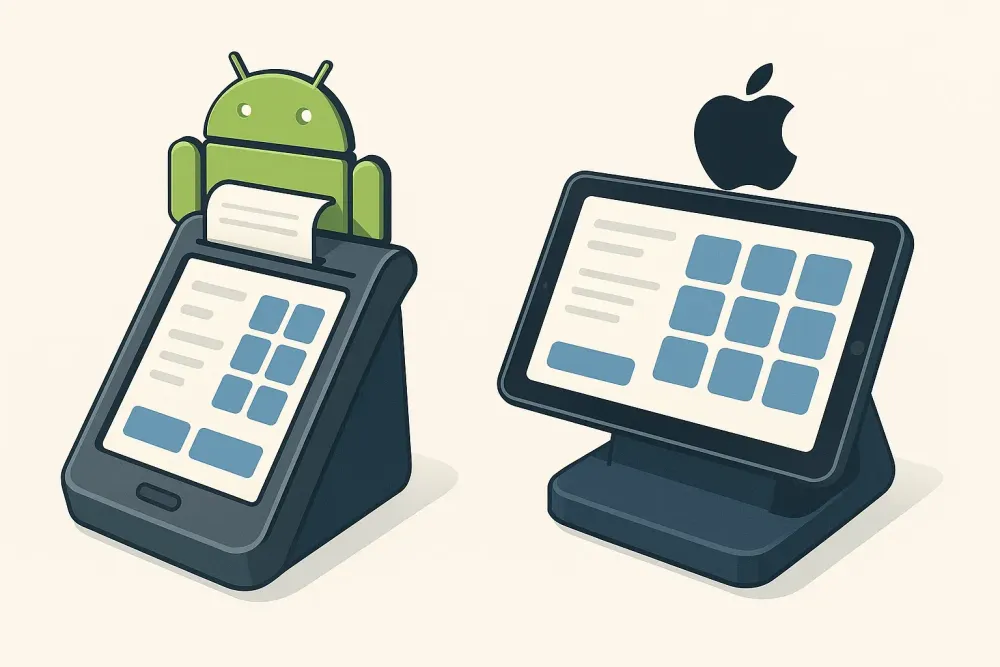
Android vs. iPad POS Systems: Choosing the Best Mobile POS for Your Restaurant
The modern restaurant relies heavily on efficient order processing. Gone are the days of bulky, wired POS systems cluttering countertops and slowing down service. Today's handheld POS systems, typically Android tablets or iPads, streamline operations, allowing servers to swiftly move between tables without constantly returning to a central station. This significantly improves order flow and overall customer experience.
Imagine the old system: servers taking orders, trekking to the stationary POS, inputting the order, then delivering the kitchen order ticket, retrieving food, and finally serving the table. This cumbersome workflow becomes exponentially more challenging during peak hours. The introduction of mobile POS (mPOS) systems revolutionized restaurant operations, offering a more organized and efficient approach.
Modern mPOS devices are compact, portable, and remarkably versatile. They handle all essential restaurant functions, from billing and inventory management to detailed data reporting, all accessible from anywhere within the establishment—or even remotely.
What is a Mobile POS (mPOS) System?
A mobile POS system, or mPOS, is a portable device providing access to your restaurant's entire point-of-sale system regardless of location. Servers utilize tablets or iPads to perform all standard POS functions. Access to sales data is seamless, even remotely. Whether it's a smartphone, tablet, or lightweight laptop, the key is portability without compromising functionality.
The Critical Choice: Android Tablet vs. iPad POS System
Many restaurants grapple with the decision between Android and iPad POS systems. This choice boils down to operating systems and their respective strengths and weaknesses. While the age-old Apple vs. Android debate rages on, let's objectively compare these two dominant platforms in the context of restaurant POS systems.
Restaurant Android Mobile POS System
Since its 2011 market entry, Android has consistently held a leading position in the operating system market. While Apple boasts a premium brand image, Android's widespread appeal stems from its rich feature set at competitive price points.
Advantages of Android POS Systems:
- Cost-Effective: Android POS systems generally offer affordable hardware and installation costs. Restaurants can select devices that align with their budget without sacrificing essential features. Learn more about how a restaurant POS system can save you money.
- Variety of Sizes and Form Factors: The Android ecosystem provides an extensive selection of devices from numerous manufacturers, ensuring a perfect fit for any restaurant's size and layout.
- User-Friendly Interface: Android's intuitive design allows even first-time users to quickly grasp its functionality.
- Ample Storage: Android POS systems offer substantial storage capacity, allowing restaurants to maintain comprehensive data records. External storage options offer further scalability.
- Durability: Android devices are generally robust and can withstand the rigors of daily use in a busy restaurant environment. Replacements are readily available and cost-effective.
- Longevity: Android tablets typically have a lifespan of 4-5 years, depending on usage.
- Software Updates: Android's open-source nature facilitates smooth and regular software updates without disrupting daily operations.
- Flexibility: Android POS hardware supports connectivity with various peripherals and external devices. The software can be customized to meet specific restaurant needs, adjusting to seasonal changes, promotions, and trends.
Restaurant iPad Mobile POS System
While Android prioritizes affordability, iPads are recognized for their intuitive design and ease of use. Their higher price point reflects the quality and premium features provided by iOS.
Advantages of iPad POS Systems:
- App Ecosystem: iOS offers a robust app store with numerous restaurant-specific apps, providing greater flexibility and customization options. Apple prioritizes timely app updates, keeping the system current.
- Aesthetic Appeal: Apple products are known for their sleek design and premium aesthetics, which can enhance the overall restaurant image.
- Longevity: iPads generally maintain functionality for approximately 4 years, dependent on usage.
- Enhanced Security: iOS's closed system and unique device identifiers provide robust security, minimizing vulnerability to malware. Frequent security updates safeguard user data.
- Synchronized Connections: iOS devices and accessories maintain seamless synchronization, simplifying troubleshooting and ensuring data integrity.
Android or iPad: Choosing the Right Restaurant mPOS System
After reviewing the distinctive features of both Android and iOS POS systems, you're better equipped to make an informed decision. Both platforms offer customization options to align with your restaurant's specific requirements. Regular feature revisions are readily implemented.
In early 2018, Android held a significant market share (around 62%) compared to iPads (28.8%). This illustrates Android's dominance, but the best choice depends entirely on your restaurant's unique needs and priorities.
Conclusion
Your restaurant's POS system is a crucial element, simplifying billing and providing essential inventory reports, customer data, and much more. The optimal choice between Android and iPad depends on your individual business needs. Investing in a long-term solution that requires minimal maintenance and offers seamless integration with your operations is paramount. Choose wisely, and cheers to a more efficient and profitable restaurant!
See More


© 2025, PREST, Inc. All rights reserved. | Designed in 🇮🇳 
Crafted by 