
About Us
Features
Pricing
Contact Us
Blogs
Login
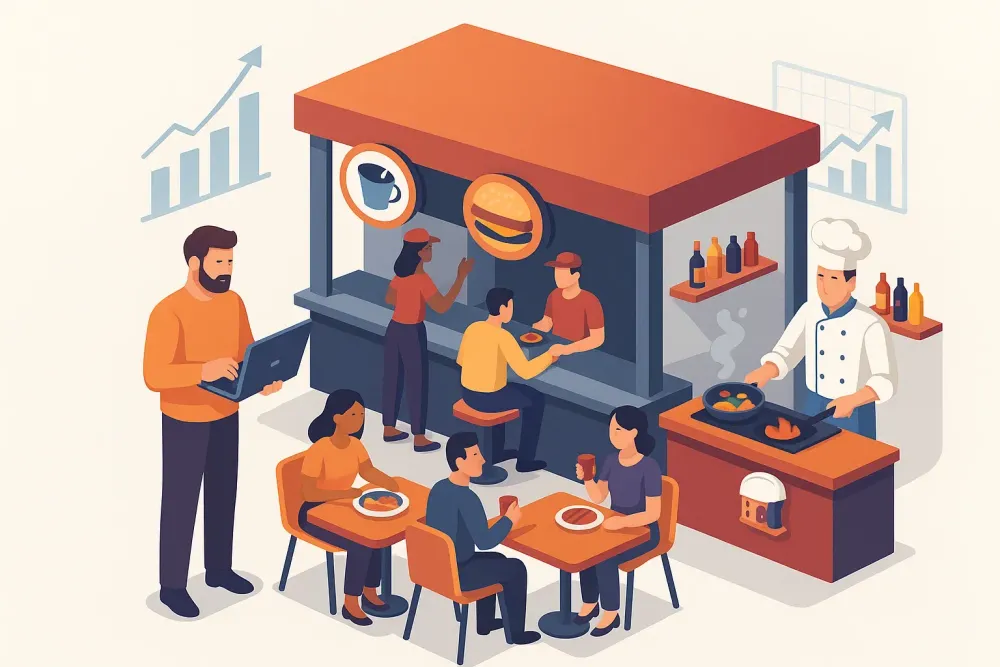
Building a Thriving Food Court: A Comprehensive Guide for IT Professionals
Launching a successful food court requires more than just assembling a collection of vendors; it demands meticulous planning, efficient management, and a deep understanding of the market. This comprehensive guide, designed for IT professionals and entrepreneurs, outlines the critical steps to build a profitable and customer-centric food court operation. We'll navigate the challenges, from market analysis to technology integration, ensuring your venture thrives in a competitive landscape.
1. Market Research and Strategic Location Selection:
The foundation of any successful food court lies in thorough market research and the selection of an optimal location. This isn't a decision to be taken lightly; it directly impacts your potential customer base and operational efficiency.
- Demand Evaluation: Analyze foot traffic in prospective areas. High-traffic zones translate to higher customer volumes, boosting potential revenue. Identify your target demographic (busy professionals, families, students, etc.) to tailor vendor selection and marketing strategies accordingly. Analyze existing competition to identify market gaps and opportunities.
- Location Factors: Choose a highly visible location with easy access via public and private transport. Ample parking is a significant advantage. Prime locations near anchor stores, mall entrances, transit hubs, or university campuses provide higher natural footfall.
Key Takeaway: A profitable food court begins with identifying a location with consistent foot traffic, a well-defined target audience, and convenient accessibility for customers.
2. Developing a Robust Business Plan:
A detailed business plan provides direction, secures funding, and ensures efficient operation across all aspects of your food court, from vendor selection to daily operations.
- Concept and Theme: Decide on a focused culinary theme (e.g., international cuisine, fast-casual dining, a blend of established chains and independent vendors). Tailor the layout and branding to match your target audience. A modern, tech-savvy approach may resonate better in urban areas, while a more traditional design might suit community-based centers.
- Vendor Mix Planning: Curate a balanced mix of vendors offering diverse cuisines and dining styles (quick-service, full-service, desserts, beverages). Aim for variety while minimizing direct competition between similar vendors. Include established brands to attract initial traffic while supporting unique, local businesses to add character and appeal. Clearly define vendor requirements regarding menu consistency, branding, and participation in loyalty programs.
- Financial Projections and Funding: Estimate startup costs (leasing, construction, permits, equipment, marketing). Detail operational expenses (staffing, utilities, technology, maintenance). Project revenue streams (vendor lease agreements, food court promotions, membership programs). Explore funding options (loans, investors, partnerships).
Key Takeaway: A well-structured business plan provides a roadmap for success, attracting vendors and positioning your food court for long-term growth.
3. Navigating Legal Requirements and Compliance:
Operating a food court requires adherence to local, state, and federal regulations. Securing necessary permits and licenses early prevents delays and potential legal issues.
- Permits and Licenses: Obtain all necessary permits (health department certifications, food service licenses, business permits). These requirements vary by location, so consult local authorities. If serving alcohol, obtain the necessary liquor license.
- Health and Safety Compliance: Strictly follow health codes to ensure food safety. Vendors require health permits, and the food court is responsible for maintaining shared areas and enforcing cleanliness standards. Establish robust compliance procedures to ensure smooth inspections.
- Insurance: Secure liability insurance to protect against accidents, foodborne illnesses, or other unforeseen events. General liability is crucial; consider property insurance, workers' compensation, and business interruption coverage.
- Zoning and Lease Agreements: Verify that your chosen location is zoned for food service and thoroughly review lease agreements regarding maintenance, renovations, and shared costs. Establish clear vendor contracts outlining rental terms, revenue-sharing agreements, and operational guidelines.
Key Takeaway: Proactive compliance with legal and operational requirements ensures efficient day-to-day operations and minimizes potential risks.
4. Strategic Design and Layout:
An efficient layout enhances customer flow, improves the dining experience, and facilitates smooth vendor operations. Every element, from vendor placement to seating, should maximize space and convenience.
- Vendor Spaces: Ensure each vendor stall has adequate utilities (electrical outlets, ventilation, plumbing) and complies with health and safety regulations.
- Seating and Common Areas: Provide comfortable seating for various group sizes. A mix of tables, communal seating, and high-top counters creates a versatile and inviting atmosphere. Consider adding charging stations and Wi-Fi.
- Customer Flow: Design the layout to guide customers smoothly from ordering to seating, avoiding congestion. Strategically position high-traffic vendors near entrances.
- Order Pickup and Waste Management: Clearly mark pickup stations and strategically place trash and recycling bins. Consider digital pickup screens to notify customers when their orders are ready.
- Aesthetic and Branding: Consistent signage, lighting, and décor enhance the food court's identity and create a welcoming environment.
Key Takeaway: A well-designed layout improves operational efficiency, enhances the customer experience, and contributes to the overall success of your food court.
5. Selecting and Partnering with the Right Vendors:
Your vendors define the customer experience. Selecting a diverse, high-quality mix is essential for sustained success.
- Vendor Selection Criteria: Prioritize variety and appeal, quality and reputation, operational efficiency, brand compatibility, and adaptability (participation in loyalty programs, digital ordering, shared marketing).
- Vendor Agreements: Establish clear contracts covering revenue sharing (fixed fees, percentage of sales, or a hybrid model), lease terms, marketing participation, brand compliance, and technology integration.
Key Takeaway: Careful vendor selection and clearly defined agreements create a well-run, profitable food court with consistent customer appeal and efficient vendor operations.
6. Implementing an Integrated Technology and POS Infrastructure:
A robust technological infrastructure is crucial for modern food court operations. PREST's expertise in IT solutions can significantly streamline your processes.
- Centralized POS System: Implement a centralized POS system (like PREST's integrated solution) to manage all vendor transactions from a single dashboard. This simplifies sales management, reporting, and administrative tasks for both vendors and operators.
- Unified Membership and Loyalty Programs: Launch a food court-wide membership program to enhance customer loyalty and encourage repeat business. This could incorporate points-based systems or exclusive member discounts.
- Centralized Gift Card System: Offer gift cards redeemable at all vendors, simplifying financial tracking and ensuring fair revenue allocation.
- Real-Time Reporting and Analytics: Utilize real-time data to monitor sales, vendor performance, and identify areas for improvement. This allows for data-driven decision-making and proactive problem-solving.
Key Takeaway: Integrated technology improves efficiency, enhances the customer experience, and provides valuable data-driven insights for informed decision-making.
7. Establishing a Flexible Revenue Share and Fee Structure:
A fair and flexible revenue-sharing model ensures both the food court and its vendors thrive. A customizable approach caters to different vendor scales and business models.
- Fixed or Percentage-Based Fees: Offer fixed fees for stable income or percentage-based fees that adapt to vendor performance. Consider a hybrid model combining both.
- Automated Fee Collection: Integrate a POS system that automates fee deductions from each transaction, ensuring timely and accurate payments.
- Customizable Fee Structures: Adjust fee structures based on vendor type, sales volume, or promotional agreements.
Key Takeaway: A flexible and transparent revenue-sharing system fosters a collaborative environment, benefiting both the food court and its individual vendors.
8. Crafting a Comprehensive Marketing and Branding Strategy:
A strong marketing strategy increases visibility, attracts customers, and fosters loyalty.
- Unified Web Portal: Create a user-friendly website or app showcasing vendors, menus, and online ordering options.
- Google Integration: Optimize for Google search to ensure easy discovery by potential customers. Implement Google ordering integration for direct order placement.
- Promotional Campaigns and Membership Perks: Offer loyalty programs, limited-time discounts, and exclusive member deals to incentivize repeat visits. Implement gift card programs for increased revenue and customer engagement.
Key Takeaway: A multi-faceted marketing approach drives customer engagement, boosts sales, and enhances brand recognition.
9. Optimizing for Multiple Ordering Channels and Quick Service:
Streamlined ordering processes are essential for customer satisfaction.
- Multiple Ordering Channels: Offer various ordering options (kiosks, QR codes, online ordering, counter service) to cater to diverse customer preferences.
- Smart Pickup System: Implement a well-organized pickup system with digital displays to alert customers when their orders are ready, minimizing wait times and improving efficiency.
- Mobile App: Develop a branded mobile app for easy menu browsing, order placement, and loyalty rewards access.
Key Takeaway: Offering multiple ordering channels and a well-organized pickup system significantly enhance the customer experience and operational efficiency.
10. Hiring and Training a Skilled Team:
A well-trained team is crucial for smooth food court operations.
- Role-Based Access Control: Implement a centralized management system with role-based access control for enhanced security and efficiency.
- Vendor Autonomy vs. Central Control: Balance vendor independence with centralized management to ensure consistency while maintaining individual vendor flexibility.
- Customer Service and Technical Training: Provide thorough training on transaction processing, loyalty programs, gift card redemptions, and the operation of self-service systems.
Key Takeaway: Proper hiring and training empower your team to deliver excellent customer service and efficient operations.
11. Launching, Monitoring, and Continuously Optimizing:
Launching your food court is just the beginning. Ongoing monitoring and adaptation are crucial for sustained success.
- Grand Opening Strategy: Plan a memorable grand opening with promotional events to generate initial buzz.
- Post-Launch Evaluations: Utilize your POS system's data analytics to track sales, customer traffic, and vendor performance.
- Continuous Improvements: Regularly review data and customer feedback to make adjustments to layout, vendor mix, marketing efforts, and operational processes.
Key Takeaway: A commitment to continuous improvement ensures your food court adapts to market changes and consistently meets customer expectations.
Conclusion
Building a thriving food court requires a strategic approach that blends meticulous planning, efficient management, and the integration of cutting-edge technology. By carefully implementing the steps outlined in this guide, and leveraging the expertise of IT professionals, you can create a successful and profitable food court that delights customers and keeps vendors thriving.
See More


© 2025, PREST, Inc. All rights reserved. | Designed in 🇮🇳 
Crafted by 